
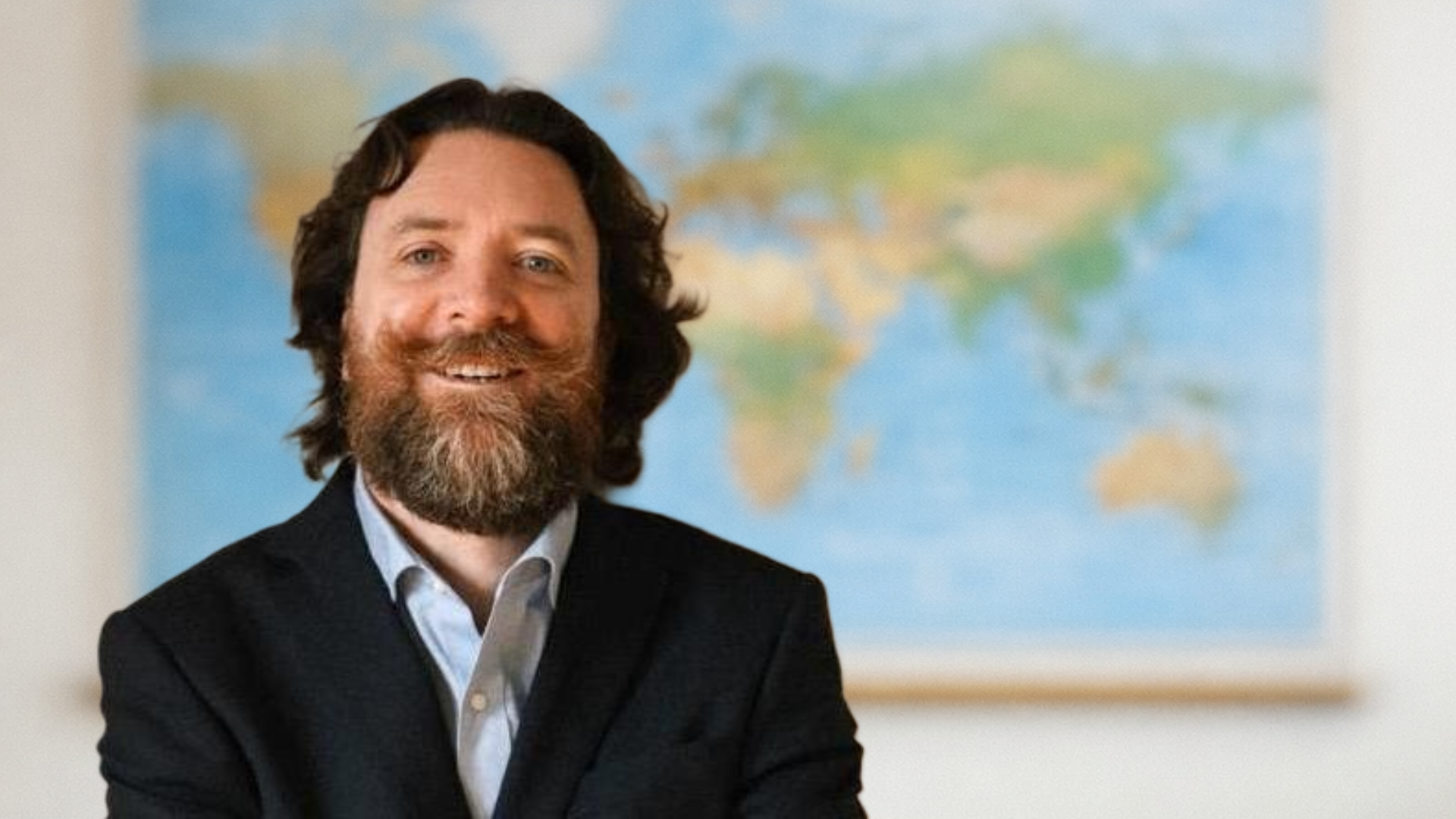
When Similarity Misleads: A Conversation with Dr. Jerome Dumetz on Culture, Context, and the Future of Cross‑Cultural Work
In early 2008, just a few months after landing in Moscow for what would become a seven‑year chapter of my life, I met Dr. Jerome Dumetz. At the time, I was a wide‑eyed newcomer trying to make sense of Russia’s complexity, contradictions, and charisma. Jerome was the person who helped me decode it. His cultural training didn’t just prepare me for business; it gave me a lens for understanding people, systems, and assumptions in a country that would shape my worldview for years to come.
Nearly two decades later, reconnecting with him on The Auto Ethnographer felt like closing a circle. Jerome has spent more than twenty‑five years teaching, researching, and advising across Europe, Russia, Eastern Europe, and Asia. He has trained executives, coached families, lectured at more than two dozen universities, and recently released a new book: 199 Cross‑Cultural Case Studies, a collection of real stories of cultural misunderstandings and the insights they reveal.
Our conversation ranged from theory to lived experience, from the pitfalls of cultural similarity to the role AI may play in the future of cross‑cultural management. What follows are some of the most compelling ideas from our discussion.
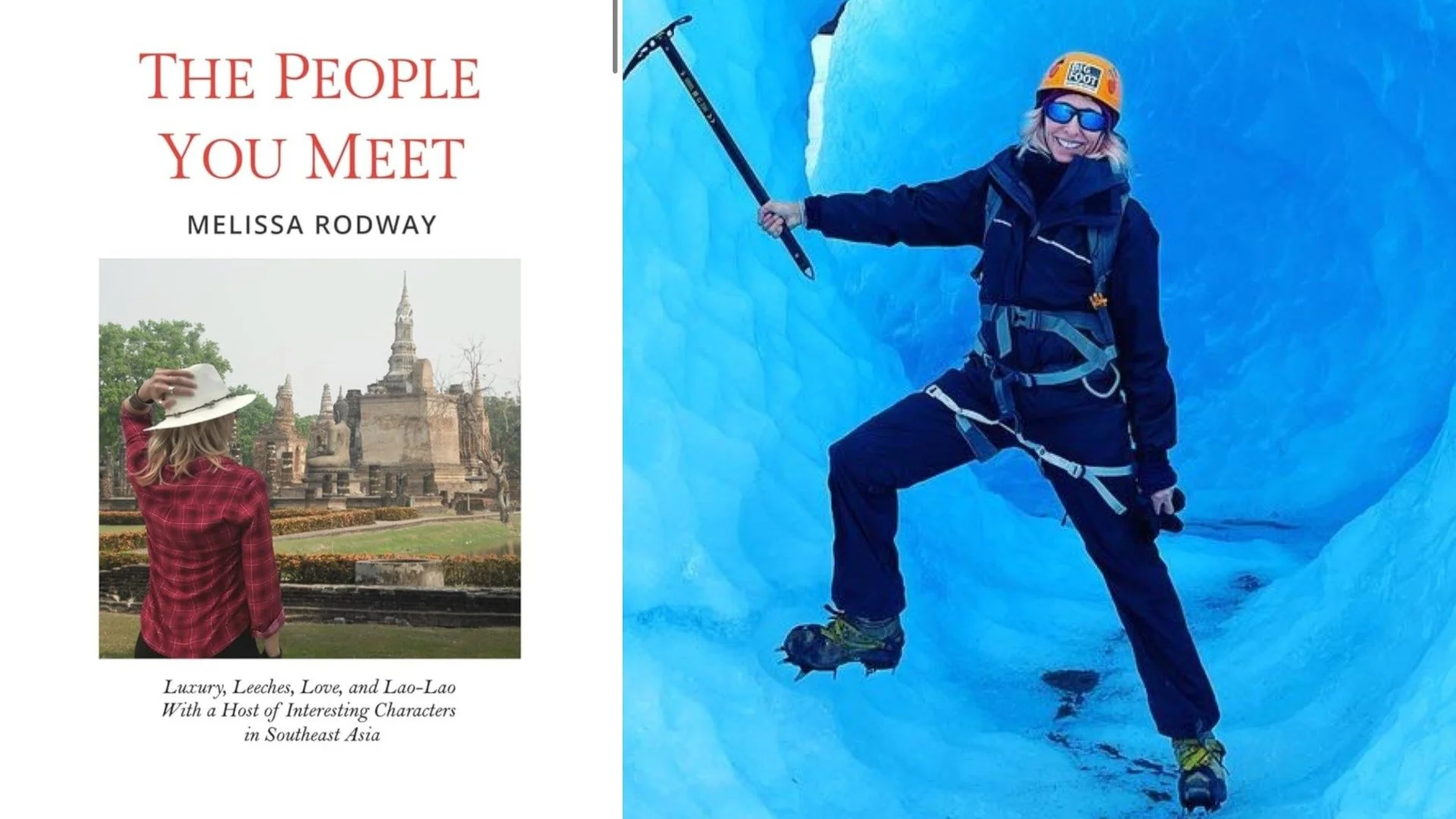
The People You Meet: How One Backpacking Trip Changed Everything
In 2010, Melissa Rodway was 35 years old, working in the corporate world in Toronto, and restless. She had always been someone who loved adventure, someone who tried to fit exploration around the edges of a busy professional life. But that year, she did something different. She took a months off, packed a bag, and set off on a backpacking trip through Southeast Asia with a partner. Thailand, Laos, Cambodia, Vietnam, and China. No fixed plan. No safety net. Just curiosity and an open heart.
Fifteen years later, that trip became a book. The People You Meet is a travel memoir built from the emails Melissa sent home during those weeks on the road. They were raw, unfiltered, sometimes funny (the travel tips in the appendix are hilarious!), sometimes deeply uncomfortable accounts of what she was seeing, feeling, and learning. She didn't write them with publication in mind. They were just her way of processing a world that kept surprising her.
In a recent conversation on The Auto Ethnographer podcast, host John Jörn Stech sat down with Melissa to talk about the book, the trip, and the quieter lessons that only surface years after you come home.