
The People You Meet: How One Backpacking Trip Changed Everything
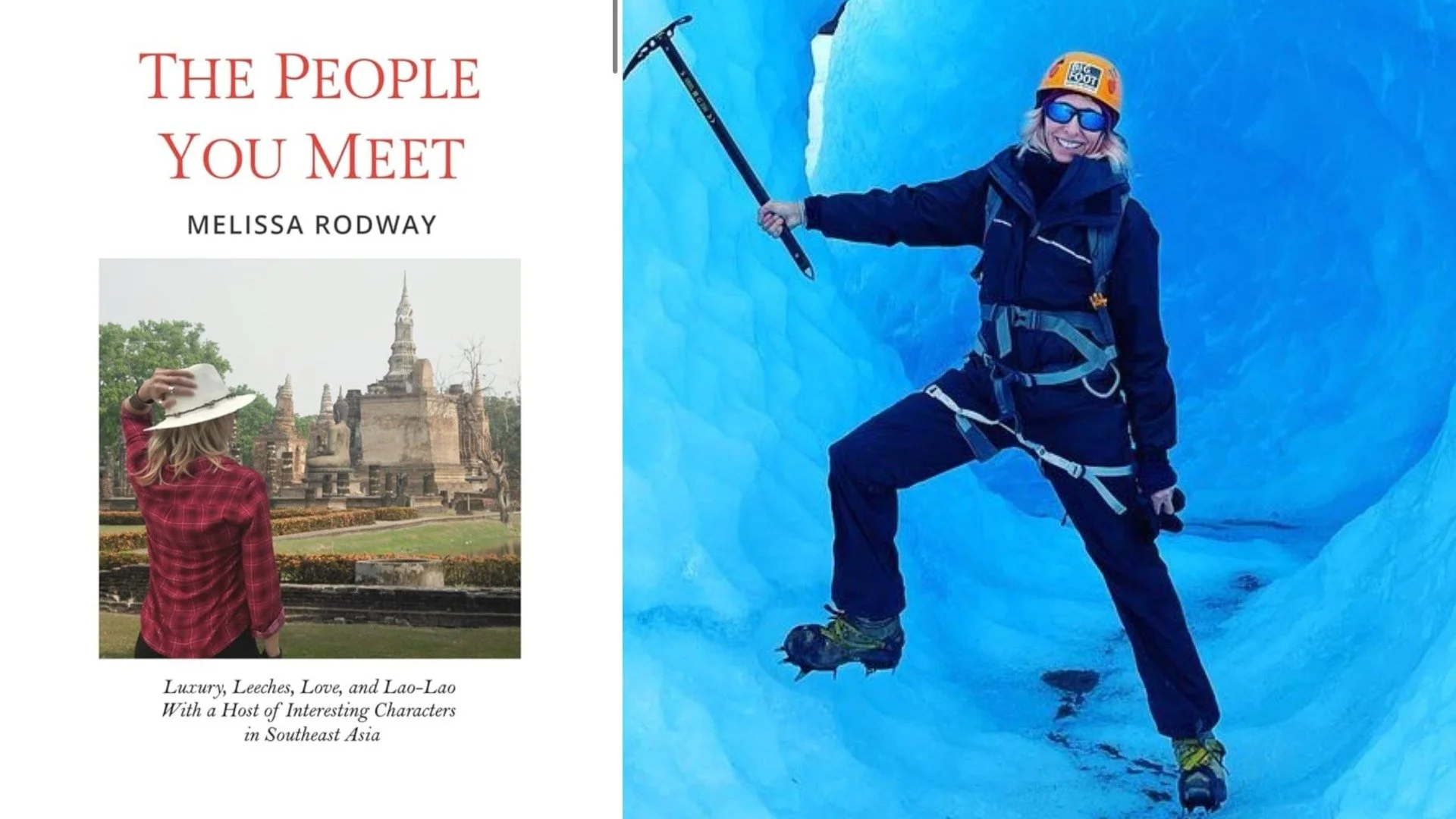
In 2010, Melissa Rodway was 35 years old, working in the corporate world in Toronto, and restless. She had always been someone who loved adventure, someone who tried to fit exploration around the edges of a busy professional life. But that year, she did something different. She took a months off, packed a bag, and set off on a backpacking trip through Southeast Asia with a partner. Thailand, Laos, Cambodia, Vietnam, and China. No fixed plan. No safety net. Just curiosity and an open heart.
Fifteen years later, that trip became a book. The People You Meet is a travel memoir built from the emails Melissa sent home during those weeks on the road. They were raw, unfiltered, sometimes funny (the travel tips in the appendix are hilarious!), sometimes deeply uncomfortable accounts of what she was seeing, feeling, and learning. She didn't write them with publication in mind. They were just her way of processing a world that kept surprising her.
In a recent conversation on The Auto Ethnographer podcast, host John Jörn Stech sat down with Melissa to talk about the book, the trip, and the quieter lessons that only surface years after you come home.
Strangers Who Stay With You
One of the most striking threads in Melissa's story is her belief in the power of temporary connection. On the road, she found herself spending hours or days with people she would never have encountered in her regular life. People from different countries, different cultures, different walks of life entirely. And something about the context of travel stripped away the usual filters.
"We shed all of these silly judgments that we have," Melissa told John. "Sometimes you can feel connected to someone that you're going to spend half a day with or three hours with, and you feel a connection to them that is very different than the people in our normal lives."
Not all of those connections were magical. Melissa is quick to laugh about the "colorful characters" she never needs to see again. But the ones that mattered left a lasting mark. She describes meeting a tour guide in Battambang, Cambodia, whose megawatt smile drew her in immediately. He took Melissa and her travel companion into his home, introduced them to his family, and taught them how to cook three different meals in his kitchen. It was a simple evening, but it carried an emotional weight that has stayed with her for over a decade.
"I always come home feeling energized by connections with people who are kind, generous people who really don't have a lot to offer in so many ways," she reflected. "But just by their kindness and by letting you into their lives, it's really powerful. Because I don't feel we live like that in North America."
The Uncomfortable Privilege of Watching
Melissa is not interested in offering a glossy version of travel. What makes her voice compelling is her willingness to sit with discomfort. She talks openly about the ethical gray areas that most travel writing skips over: the moment on a floating village tour in Vietnam when she realized that an elderly woman was rowing Western tourists past homes where families were simply trying to live. The realization that someone's daily struggle had become a form of entertainment, a “human zoo”, as she called it.
"There's all these Western tourists on these rafts just staring at these people," she recalled. "That's a real moment of awareness, where somebody's life of struggle is on display for your amusement."
In China, the script flipped entirely. In rural areas where Western visitors were virtually unheard of, Melissa and her companion became the spectacle. Locals photographed them constantly. Children climbed onto her bunk on overnight trains just to watch her sleep. She describes the experience as being in a "two-person human zoo," and rather than resenting it, she uses it as a lens for understanding what it feels like to be on the other side of the gaze.
"I think as I've gotten older, I'm much more aware of the human condition," she said. "I have to really think about what I'm observing, what my level of participation is, and how I'm responding."
That kind of self-awareness is rare in travel writing, and it is exactly what makes The People You Meet feel honest rather than performative.
What She Learned About Home
Perhaps the most quietly powerful part of the conversation was Melissa's reflection on what travel taught her about Canada. It wasn't just that she gained perspective on how other cultures live. It was that she began to question assumptions she didn't even know she held. The generosity of people who had almost nothing made her rethink the emotional distance she felt in her own community. The openness of strangers in Southeast Asia held up a mirror to the guardedness she noticed back home.
This is the part of travel that rarely makes it into Instagram captions or bucket lists. It is not the temples or the street food or the sunsets. It is the slow, sometimes uncomfortable realization that the way you have always lived is not the only way, and maybe not even the best way.
Advice Worth Carrying
When John asked Melissa what she would tell someone preparing for their own big trip, her answer was disarmingly simple: slow down, say hello, and let go of the itinerary.
"Adventure is a huge part of being alive," she said. "And I think it's really, really important."
She encourages travelers to resist the urge to fill every hour with sightseeing. The best moments, the ones that actually change you, tend to happen in the unplanned spaces. A conversation with a stranger at a bus station. A meal in someone's kitchen. A quiet evening where nothing happens except that you feel, for a brief moment, like you belong somewhere you have never been before.
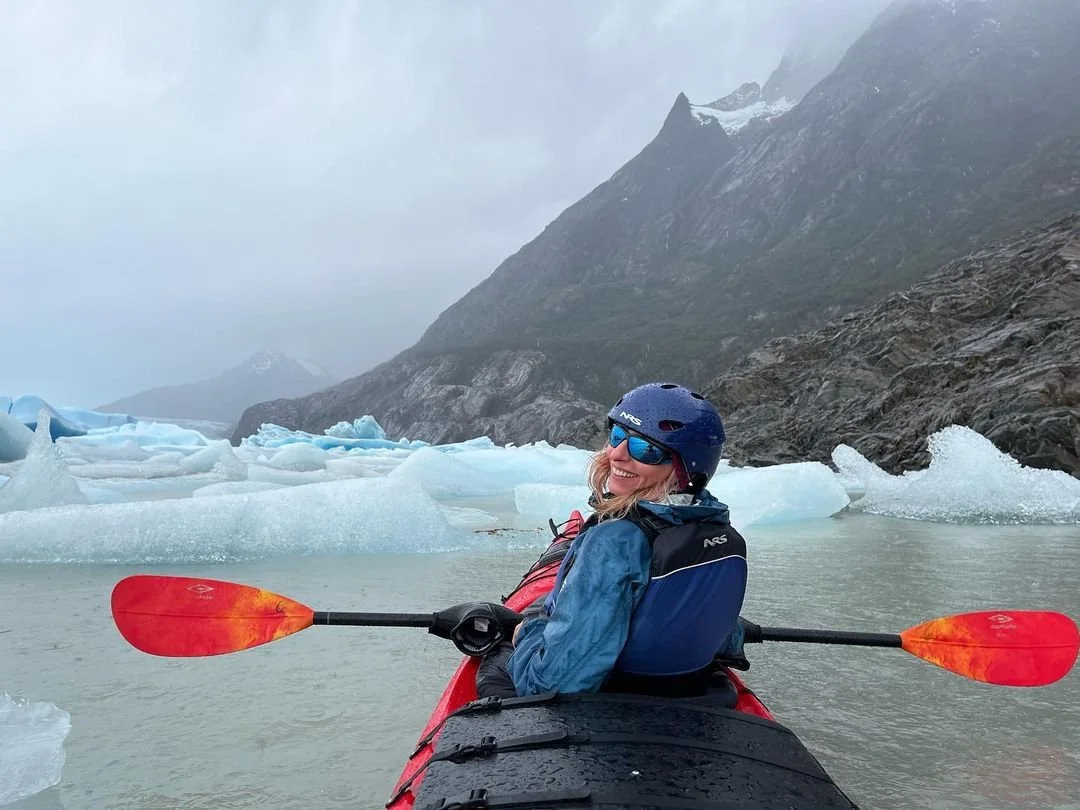
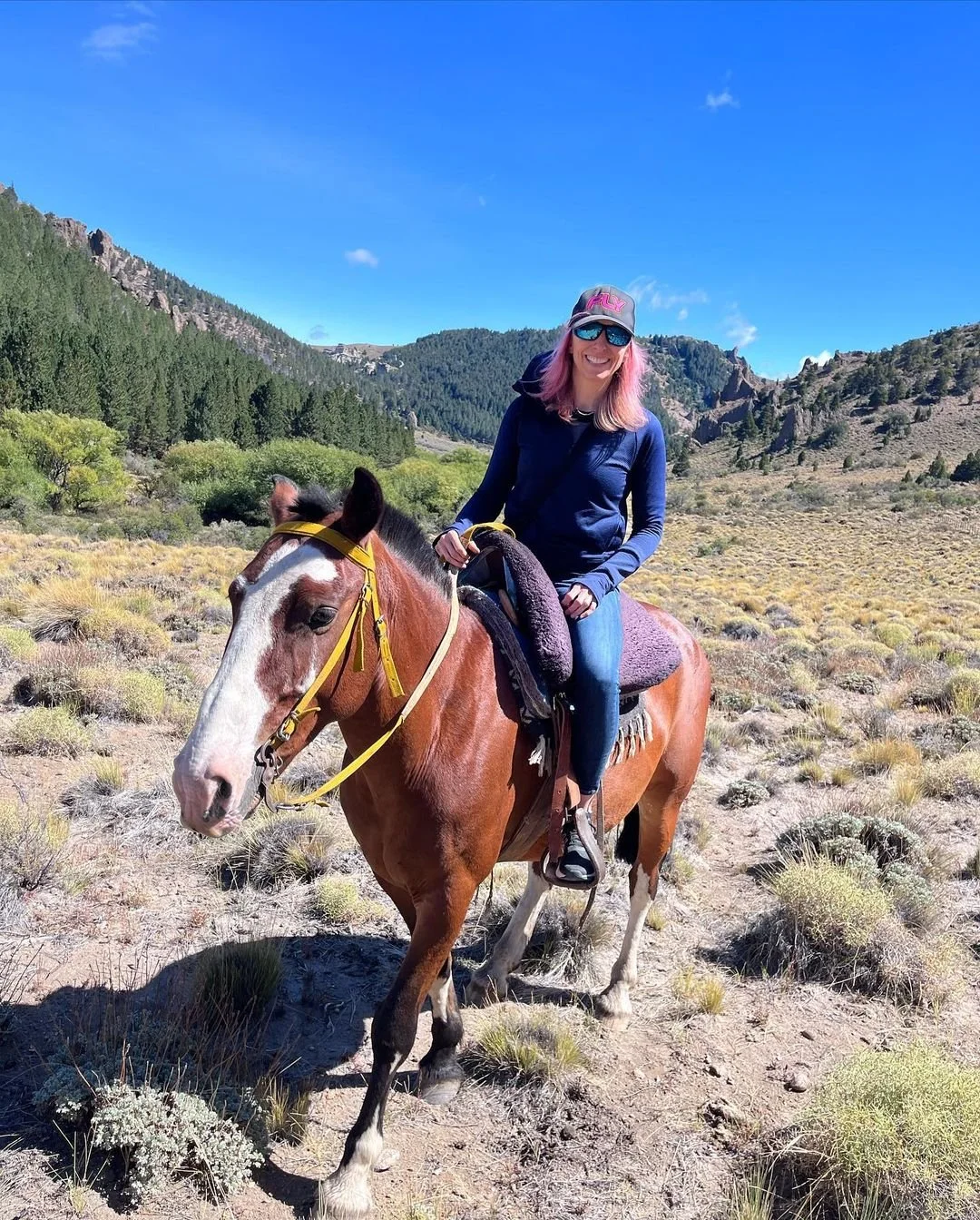
Melissa also acknowledges that travel changes with age. At 35, she traveled with a different energy and a different set of questions than she would today. But she doesn't see that as a loss. If anything, she believes that older travelers bring a deeper capacity for empathy and reflection, qualities that make the experience richer even if the pace is slower.
A Book That Took 15 Years for a Reason
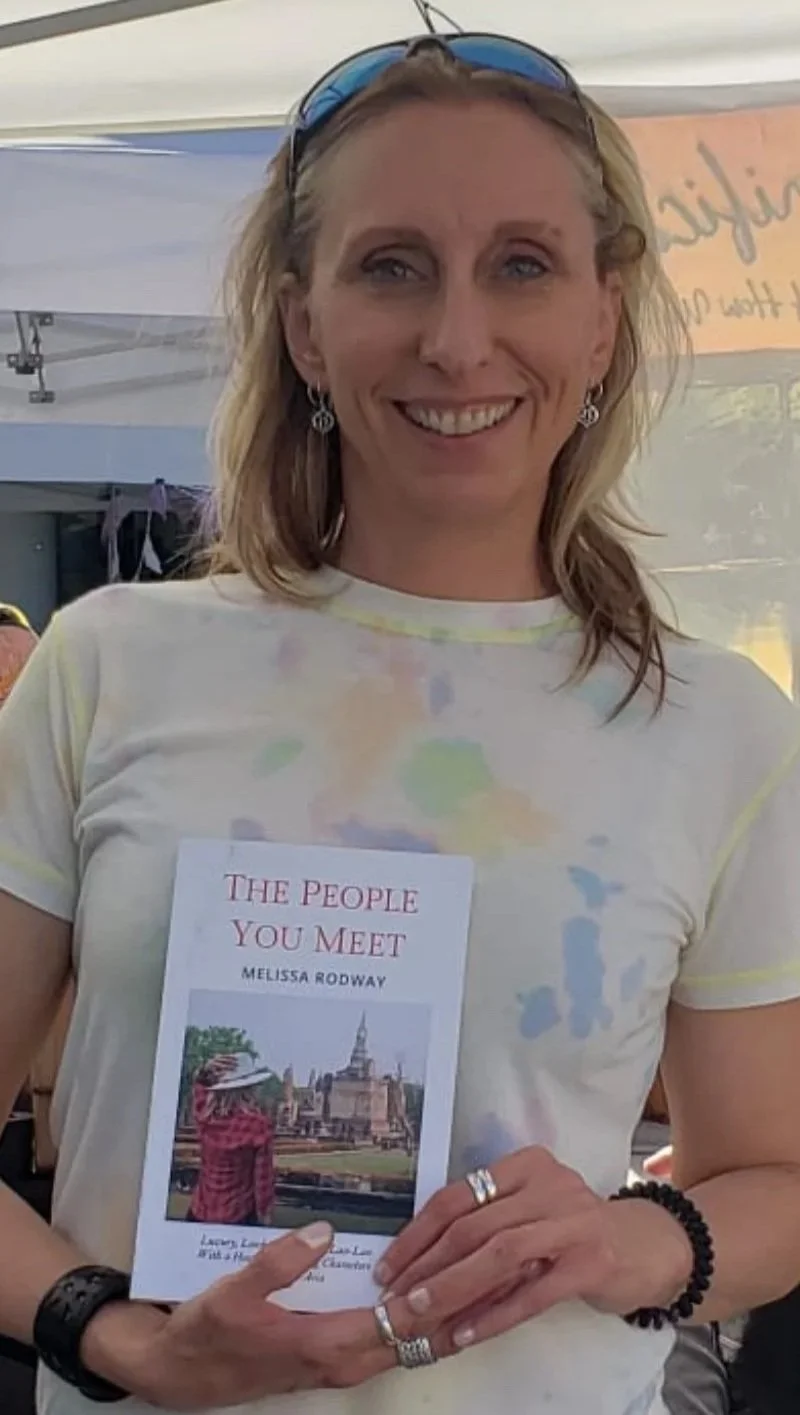
The People You Meet is not just a record of one trip. It is a document of who Melissa was at a particular moment in her life, and a reflection on how that person has grown. Writing it meant reopening a time capsule she had sealed for over a decade and being willing to sit with the younger version of herself on the page. That takes courage. And it is what makes the book feel less like a travel log and more like a conversation with someone who has genuinely been changed by what she has seen.
For anyone who has ever come home from a trip feeling like the world got a little bigger and a little more tender, Melissa Rodway's story will feel familiar. And for anyone still working up the nerve to go, it might just be the push you need.
Listen to the full conversation between John Stech and Melissa Rodway on The Auto Ethnographer podcast (links below).
📖 Get the book at Amazon’s bookstore.
🌐 Melissa Rodway’s homepage.
🎓Dreaming of moving abroad? The Your Ticket Abroad Course can help you realize the dream. Your Ticket Abroad Course site.
🎧 Find the podcast on the following platforms:
YouTube (video) channel
Apple Podcasts (video/audio) channel.
Spotify (audio) channel.
Amazon (audio) channel.
Castbox (audio) channel.
Castro (audio) channel.