

When Similarity Misleads: A Conversation with Dr. Jerome Dumetz on Culture, Context, and the Future of Cross‑Cultural Work
In early 2008, just a few months after landing in Moscow for what would become a seven‑year chapter of my life, I met Dr. Jerome Dumetz. At the time, I was a wide‑eyed newcomer trying to make sense of Russia’s complexity, contradictions, and charisma. Jerome was the person who helped me decode it. His cultural training didn’t just prepare me for business; it gave me a lens for understanding people, systems, and assumptions in a country that would shape my worldview for years to come.
Nearly two decades later, reconnecting with him on The Auto Ethnographer felt like closing a circle. Jerome has spent more than twenty‑five years teaching, researching, and advising across Europe, Russia, Eastern Europe, and Asia. He has trained executives, coached families, lectured at more than two dozen universities, and recently released a new book: 199 Cross‑Cultural Case Studies, a collection of real stories of cultural misunderstandings and the insights they reveal.
Our conversation ranged from theory to lived experience, from the pitfalls of cultural similarity to the role AI may play in the future of cross‑cultural management. What follows are some of the most compelling ideas from our discussion.
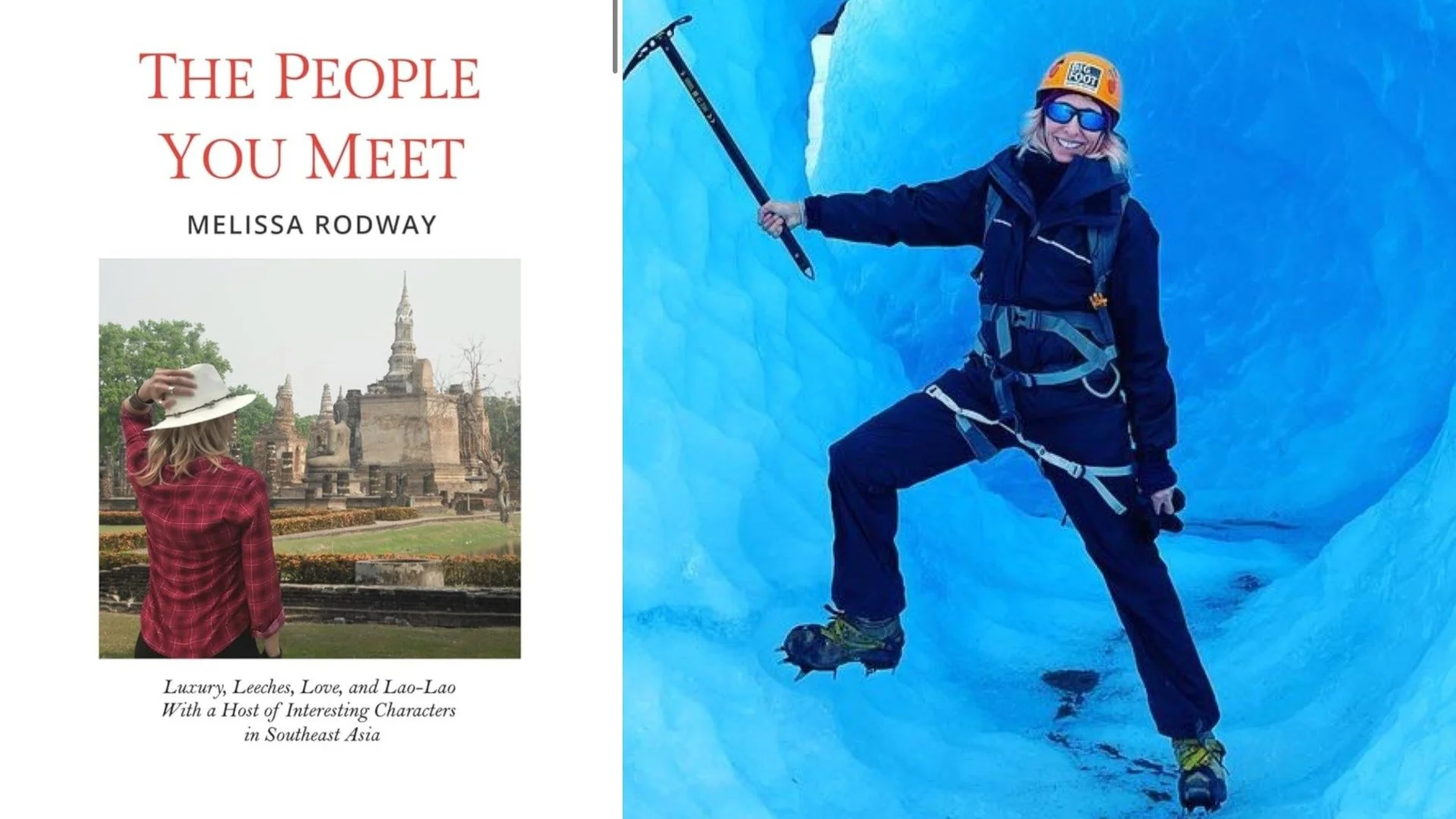
The People You Meet: How One Backpacking Trip Changed Everything
In 2010, Melissa Rodway was 35 years old, working in the corporate world in Toronto, and restless. She had always been someone who loved adventure, someone who tried to fit exploration around the edges of a busy professional life. But that year, she did something different. She took a months off, packed a bag, and set off on a backpacking trip through Southeast Asia with a partner. Thailand, Laos, Cambodia, Vietnam, and China. No fixed plan. No safety net. Just curiosity and an open heart.
Fifteen years later, that trip became a book. The People You Meet is a travel memoir built from the emails Melissa sent home during those weeks on the road. They were raw, unfiltered, sometimes funny (the travel tips in the appendix are hilarious!), sometimes deeply uncomfortable accounts of what she was seeing, feeling, and learning. She didn't write them with publication in mind. They were just her way of processing a world that kept surprising her.
In a recent conversation on The Auto Ethnographer podcast, host John Jörn Stech sat down with Melissa to talk about the book, the trip, and the quieter lessons that only surface years after you come home.
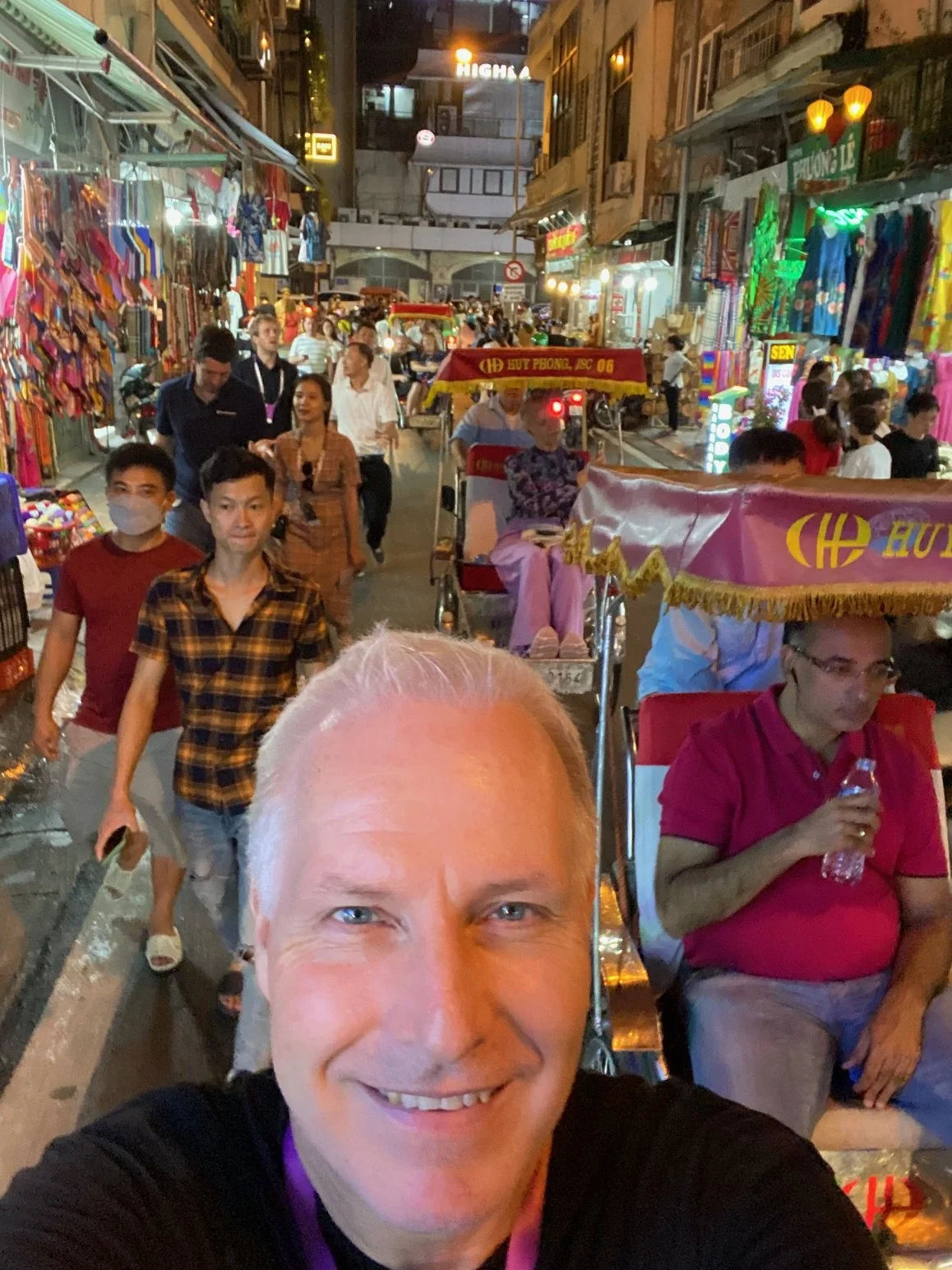
Announcing “Your Ticket Abroad”: A Complete Roadmap to Your New Life Overseas
Today marks a milestone for The Auto Ethnographer: the official launch of Your Ticket Abroad, a comprehensive, 28‑video course and 54‑page relocation checklist designed to guide you from dreaming about life overseas to confidently stepping into it. After five international relocations and decades of global leadership experience, John Jörn Stech has distilled everything he’s learned—the triumphs, the mistakes, the cultural surprises, and the life‑changing rewards—into a single, accessible program for anyone ready to take the leap.
Living abroad is much more than just a move. It’s a transformation. It reshapes how you see the world, how you understand yourself, and how you engage with people whose lives and histories differ from your own. Whether you’re going solo, moving with a partner, or bringing an entire family, this course gives you the tools to navigate every decision with clarity and confidence. Doing that just got a lot easier and structured with Your Ticket Abroad!

Growing Up Between Worlds: What Third Culture Kids Teach Us About Adaptation and Global Leadership
In my recent conversation with Toscan Bennett, an automotive executive who had worked on 11 different brands, I was reminded how profoundly a global upbringing shapes the way a person sees the world. Toscan’s story is not only compelling on a personal level. It also illuminates broader truths about cultural adaptation, global leadership, and the persistent tension between headquarters and local markets. In many ways, I saw myself reflected in our conversation topics.
As someone who has spent much of my own career navigating international environments, I found myself reflecting on how his experiences align with what we know about third culture kids, cross cultural fluency, and the realities of global business.

The Rise, Retreat, and Reinvention of the Global Auto Show
For more than a century, auto shows have served as the grand stages upon which the global automotive industry introduced its most ambitious ideas. The earliest exhibitions in the early 20th century were celebrations of engineering progress and national pride. Paris, Detroit, Frankfurt, and later Geneva became annual rituals for consumers, journalists, and industry leaders. These shows were not simply marketing events. They were cultural markers that reflected the aspirations of their eras: the optimism of post‑war mobility, the glamour of the jet age, the technological bravado of the 1980s, and the global expansion of the 1990s and early 2000s. I went to my first auto show in 1985, in Philadelphia, eagerly looking at the gleaming new Porsches and Ferraris. As for photos, I still have one in a decidedly more affordable vehicle.

From Dumplings to Product Strategy: How Alexandra Strassburger’s Lived Experience in China Shaped Mercedes-Benz Innovation
When Alexandra Strassburger moved to China at age 27, she wasn’t just embarking on a new professional chapter, she was stepping into a cultural immersion that would redefine her leadership, her family life, and her contributions to Mercedes-Benz R&D. Over the course of 11 years, Alexandra didn’t just adapt to China; she became part of it. “If you ask me where my home is,” she reflects, “it’s in Chaoyang, Beilu in Beijing.”

What We Miss Until We See It Differently: A Chinese Strategist’s First Glimpse of Europe
When Chinese culture trend forecaster and brand strategist Grace Mou stepped off the plane in Milan, she wasn’t just arriving in Europe. She was entering a world that would challenge her assumptions about beauty, utility, technology, and time. Her reflections, shared in a recent episode of The Auto Ethnographer podcast hosted by John Jörn Stech, offer a rare and intimate look at how familiar things can feel radically different when seen through new eyes.

When Trust Is Shackled: Cultural Fallout from a Georgia Immigration Raid
In early September, a sprawling EV battery facility in Georgia became the epicenter of a diplomatic and cultural rupture. Nearly 500 South Korean nationals - engineers, technicians, and students - were detained by U.S. immigration agents in a surprise raid. Despite holding valid business visas, many were shackled and treated as criminals. The incident, which unfolded at a Hyundai-affiliated site, sent shockwaves through South Korea and raised urgent questions about dignity, trust, and the treatment of foreign professionals in the United States.

Understanding Myself Through Hofstede’s Cultural Dimensions
My Personal Awakening
Reading Hofstede’s dimensions was like turning on a light in a dark room. I could finally see why I felt different from my friends growing up. For example, the individualism vs. collectivism scale helped me understand why my instinct for independence sometimes clashed with the group-oriented expectations around me. The uncertainty avoidance dimension explained why I was comfortable with ambiguity while others sought rigid rules and predictability.
This wasn’t about right or wrong—it was about perspective. Hofstede gave me a framework to interpret those differences without judgment. Instead of feeling isolated, I began to see myself as part of a broader cultural pattern. That realization was liberating. It allowed me to embrace my identity while also appreciating the values of those around me.

Wolfsburg meets Guangzhou: what Volkswagen’s China pivot teaches every global brand
Volkswagen’s recent struggles in China aren’t just an auto-industry headline. They’re a useful study in intercultural agility for any legacy brand operating across borders. The lesson is straightforward: reliance on brand equity and historical technical expertise alone won’t win fast-moving local markets. Success now requires cultural connection, faster feedback loops, and people-level integration.